

In order to facilitate effective transfer of acquired knowledge and skills, the Institute employs a wide range of training techniques, varying from the traditional lecture method to participative and experiential learning methods like syndicate, group discussions, role-play, in-basket exercises and case study. By adopting learner centred training methodology, the Institute endeavours to create a learning environment in which the active participation and involvement of the learners is maximized. Keeping in view the entry behaviour of the participants, the objectives of the courses and the contents, the following techniques are liberally used, in addition to the lecture method:
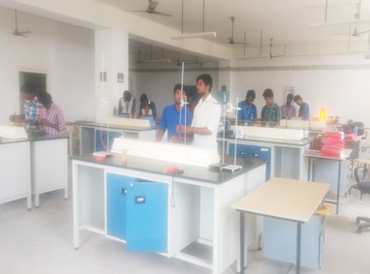
Practical exercises :
In order to provide the desired expertise to the participants for the kind of work they have to perform in their work places, practical exercises are given, after the theoretical exposure to various rules/ regulations followed in Government.
Group discussions :
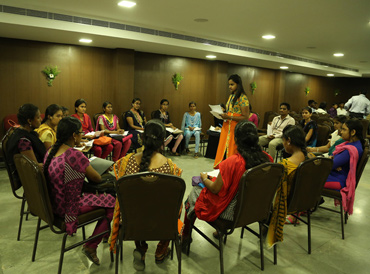
This method is being employed by the Institute primarily with a view to expose the participants to the dynamics of working in group. The entire batch is divided into viable syndicates as soon as the course is launched, and they choose a subject of specific or contemporary interest, which is discussed and presented.
Case Studies :
This method is used in training programmes where the focus is on problem solving methodology and decision-making process

Workshops and Project Work :
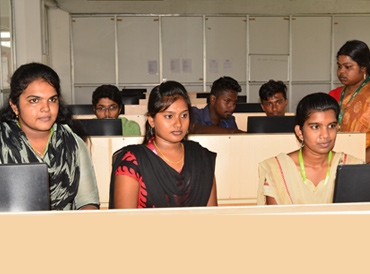
These are being increasingly used in specialized courses like Training Techniques, Design of Training, Management of Training, Advanced Management Services, Basic Management Services and Refresher Programmes for Section Officers and Under Secretaries.
Role-Play :
This technique is being effectively utilized in the behavioural skill programmes as well as in Administrative Vigilance. In the area of Behavioural skills, the participants are required to play roles, normally that of an official and a member of the public in a given situation. Later on, the Behavioural aspects of the role-play are brought out, not only through an analysis from the role players themselves but also from the participants who are observers. This exercise has been of considerable use in bringing out finer elements of human behaviour and attitudes in interpersonal interaction. In the case of the programmes on Administrative Vigilance, this technique is applied in the form of a mock enqui

Book Review :
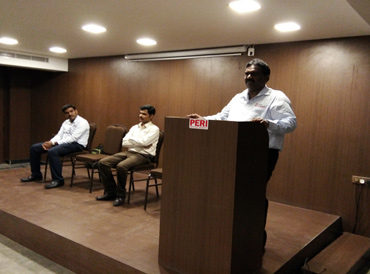
With the multiple objectives of inculcating/reviving habit of reading, assimilating what has been read and presenting it before a forum, the participants in foundational programmes are asked to review books of academic and contemporary interest. This has also helped in enhancing the public speaking and debating abilities of the participants, and ensuring their greater involvement in the programme.
Discovery Learning :
With the learning process shifting more & more towards trainee participation, it is imperative that the responsibility of learning should shift to the trainees. Thus, the Discovery Learning method is now being used to provide opportunity for the trainees to learn by themselves. This method is predominantly used for developing Presentation Skills.

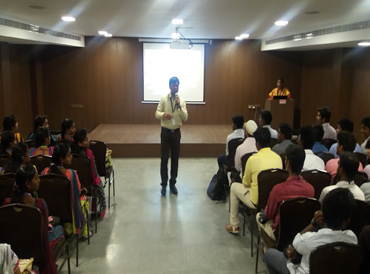
Training Session Planning :
Training Session Planning is made to ensure that people learned what they needed to know within the time allocated. The training session plan used by PERI is an organized description of the activities and resources used to guide a group toward a specific learning objective.
It details the subject matter that will be taught, how long each section should take, the methods of instruction for each topic covered, and the measures used to check that people have learned what they needed to learn.